Democrats now control enough states for a popular vote compact, a goal of the political left.
Democrats on Nov. 3 won total control of state governments in Pennsylvania, Michigan, Arizona, Wisconsin and Nevada, which is raising expectations for foes of the Electoral College. Their plan is to subvert it via an interstate compact. This is constitutionally dubious, not to mention impractical and antifederalist. It’s a lab leak of a thought experiment.
Yet 18 primarily Democratic states and the District of Columbia have already signed up for the scheme. They are pledging to award their Electoral College votes to whichever Presidential candidate gets the most ballots nationwide. For now, the compact is dormant, but it’s supposed to become active once participating states control a majority of electoral votes, letting them decide the outcome. They’re short by 48 electors. Pennsylvania has 19, Michigan 15, Arizona 11, Wisconsin 10 and Nevada 6.
Proponents say states have broad authority to decide how to appoint their electors, and the compact is no more than another option. Yet legal doubts abound. The Constitution requires Congress’s consent for agreements between states, or at least those that alter the balance of power in the country.
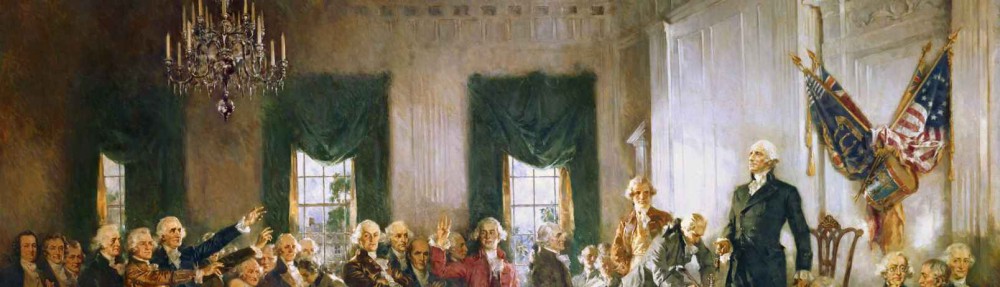
The Founders created indirect election of Presidents, with small states given more sway than their share of the population. Can big states functionally obviate that compromise by making a deal among themselves?
Because each state sets its own voting rules, which can vary widely, a national popular election has an Equal Protection Clause problem. Some states might disenfranchise certain long-ago felons, while others offer ballots to prisoners. Partisans might use this dynamic to game the system: Perhaps Democrats could try to run up their popular ballot total by lowering California’s voting age to 16.
The Wall Street Journal, Editorial Staff

